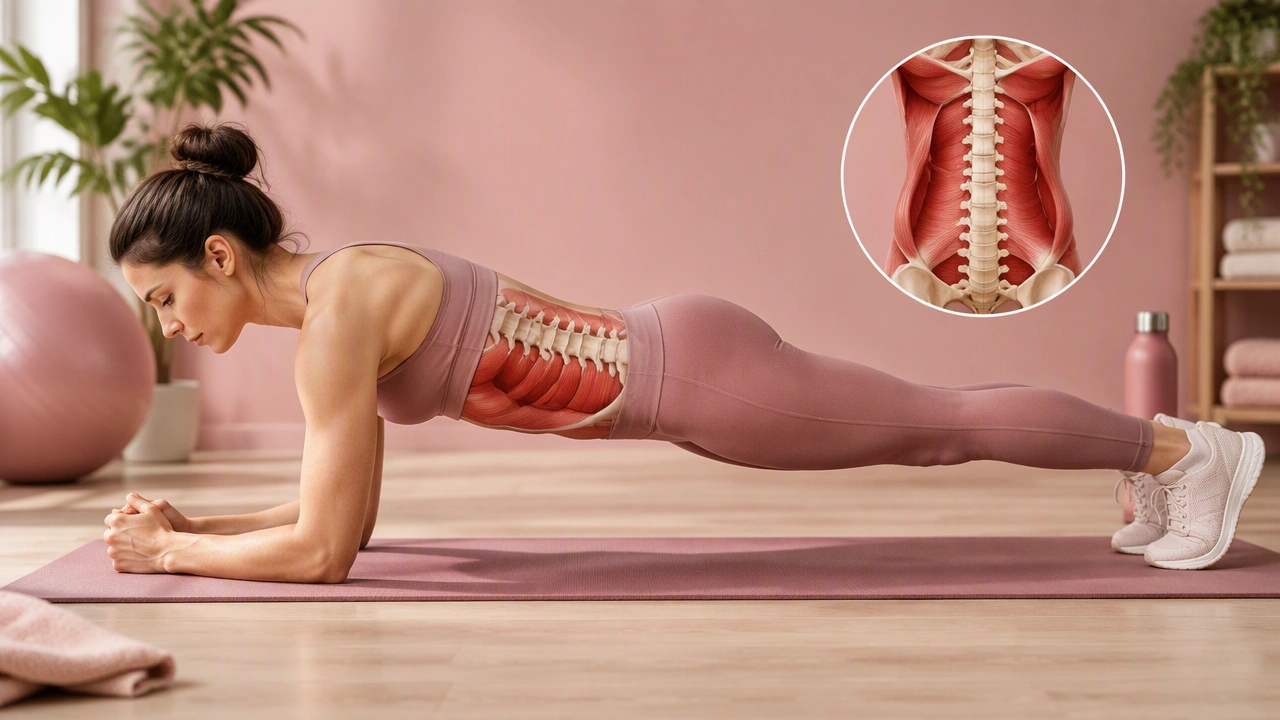
Core Stability Training: How Deep Trunk Muscles Support Your Spine in Daily Life

Core stability is often misunderstood as simply having strong abdominal muscles. In physiotherapy, it describes a more precise skill: the ability of the deep trunk muscles to coordinate and support the spine during ordinary movements such as standing, bending, reaching, or carrying. This is not about holding your breath and bracing as hard as you can. Instead, it is about gentle, well-timed activation that keeps the spine steady while the rest of the body moves, making daily tasks feel more controlled and less strenuous.
What Core Stability Really Means
True stability comes from control, not rigidity. A stable trunk can remain steady while the arms and legs move freely. It can also adapt quickly when you are nudged, lift something unexpected, or change direction. Physiotherapy education emphasizes that stability is a dynamic process involving the nervous system, muscles, and joints working together. The goal is not to lock the spine in one position, but to control its position within a comfortable and safe range, allowing efficient movement without unnecessary strain.
- Anticipatory activation: Deep muscles gently engage just before you move an arm or leg, preparing the trunk for the upcoming load.
- Responsive control: If your balance is challenged, the same muscles adjust quickly to keep the spine from moving too far or too fast.
- Efficient endurance: These muscles are designed for low-level, long-duration activity rather than short bursts of maximal effort.
When these three qualities work together, movements feel lighter and more coordinated. You do not have to think about every muscle, but the system has learned through practice to provide support automatically.
The Deep System That Supports Your Spine
The core is best understood as a cylinder of deep muscles that surround and support the lower trunk. Unlike the large surface muscles that create visible movement, these deeper layers work quietly to manage pressure and alignment inside the trunk. Their coordination creates a stable base from which the limbs can move.
- Transversus abdominis: The deepest abdominal layer, which wraps around the trunk like a corset and gently compresses the abdominal contents to support the lumbar spine.
- Multifidus: Small muscles along the spine that provide segmental control, helping each vertebra stay well aligned during movement.
- Pelvic floor: A group of muscles at the base of the pelvis that works with the deep abdominals to manage pressure and support the lower spine from below.
- Diaphragm: The breathing muscle at the top of the cylinder, which coordinates with the other deep muscles to regulate pressure during both breathing and effort.
Breathing is essential here. When these muscles coordinate well, you can breathe naturally while maintaining support. Learning to keep gentle activation without holding your breath makes the support sustainable during longer tasks.
How Training Translates to Ordinary Daily Tasks
The value of core stability becomes clear in everyday life. When you reach forward to lift a shopping bag, bend to load a dishwasher, or stand for a long time at a kitchen counter, the spine needs steady support without becoming stiff. Training helps the nervous system learn when and how much to activate the deep muscles, so support arrives at the right moment and with the right intensity.
This is especially relevant for people who spend many hours sitting, standing, or performing repetitive tasks. Without coordinated deep support, larger surface muscles often compensate by working harder than necessary, which can lead to feelings of stiffness, fatigue, or aching in the lower back and neck. By restoring the contribution of the deep system, load is shared more evenly and movements become more efficient.
Core Stability Exercises for Everyday Back Health at Work
Many people first encounter this type of training when looking for core stability exercises for everyday back health at work. At a desk or workstation, the spine is exposed to prolonged postures, and small habits have a large cumulative effect. The aim is not to create a rigid posture that you must hold all day, but to build the capacity to vary posture comfortably while keeping the deep support system gently active.
- Gentle abdominal drawing-in in sitting: Sit tall with feet flat on the floor, breathe normally, and imagine gently drawing the lower abdomen inward without moving the spine or holding your breath. Hold for a few seconds while breathing, then relax. This teaches awareness of the transversus abdominis without over-bracing.
- Supported bridging for hip and trunk coordination: Lying on your back with knees bent, gently activate the deep abdominals and lift the hips a small distance while keeping the spine neutral. This links gluteal activity with trunk control, which supports standing and walking.
- Bird dog preparation: On hands and knees with a neutral spine, practice gently engaging the deep trunk muscles and then sliding one hand slightly forward or one heel slightly back without letting the trunk sway. The focus is on preventing movement rather than creating large motion.
- Standing postural resets: Every 30 to 45 minutes, stand, allow the spine to lengthen, take two or three relaxed breaths, and notice whether the lower abdomen and pelvic floor are gently active. Small, frequent resets are often more helpful than one long session.
Principles for Safe and Effective Practice
Effective training follows a few consistent principles. Progress is gradual, starting with awareness and control in simple positions before adding movement or load. Quality matters more than quantity, and discomfort is a signal to adjust rather than push through.
- Breathe normally: Support should coexist with relaxed breathing. If you find yourself holding your breath, reduce the effort until breathing feels easy.
- Keep the effort low: Deep muscles work best at about 20 to 30 percent of maximal effort. Think of a gentle, quiet activation rather than a hard brace.
- Maintain neutral alignment: Allow the natural curves of the spine to remain, avoiding excessive tucking or arching while you practice.
- Seek guidance when needed: A physiotherapist can provide feedback on technique, help tailor the level of challenge, and ensure exercises are appropriate for your history and daily demands.
Building Consistency Without Overdoing It
Consistency matters more than intensity for everyday back health. Short, regular sessions that fit into your day create more lasting change than occasional intense workouts. Linking practice to existing routines helps, such as a brief activation check before work, after lunch, or before a commute.
Over time, the goal is for deep support to become automatic. You will not need to concentrate on it during every task, but the system will be better prepared to respond when you lift, twist, or sit for longer periods. This quiet, reliable support is what allows the spine to feel steadier and daily movements to feel more easeful, not because the muscles are constantly tight, but because they are coordinated and ready.