Home / Foundations of Movement
Physiotherapy Education Explains How Movement Is Rebuilt After Injury
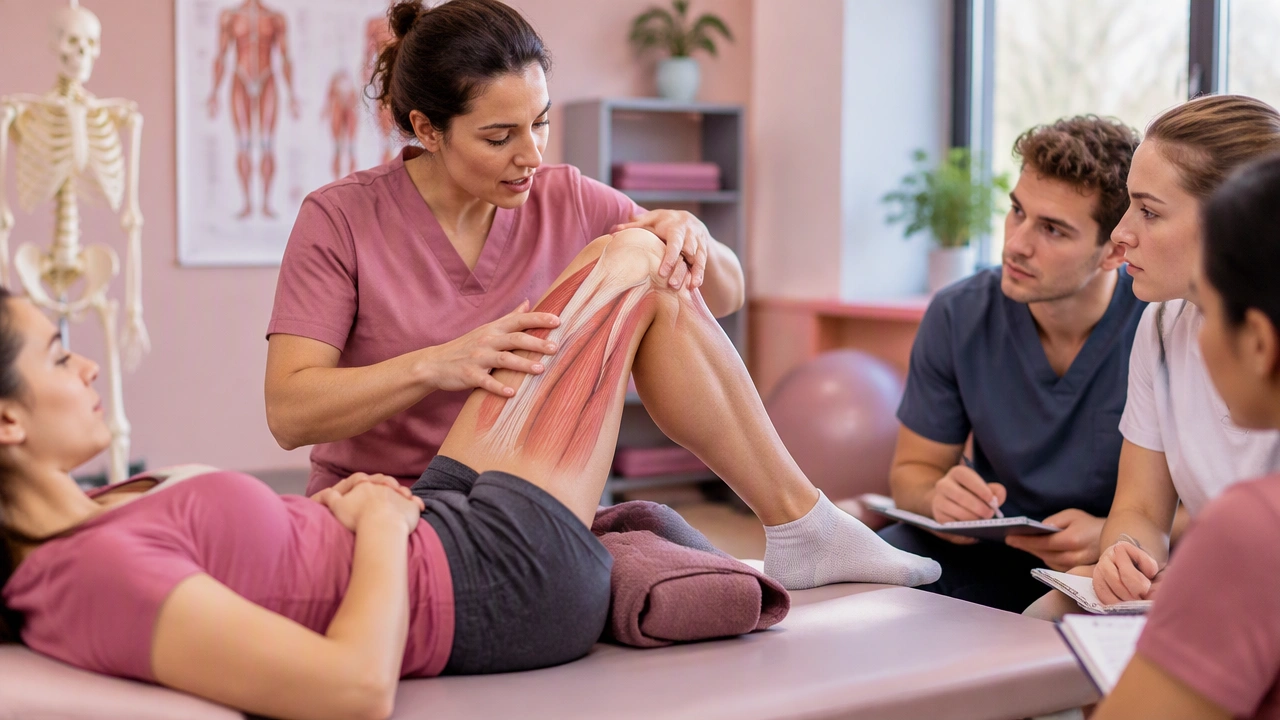
Physiotherapy education shows how movement is rebuilt after injury by combining foundational science with careful observation, structured planning, and progressive practice. Students learn to understand pain, control, and function, and then translate that knowledge into safe, individualized care. The result is a practical framework that helps people return to the tasks that matter to them, step by step.
At its core, this education teaches practitioners to think clearly about what a person can do, what limits them, and what the next best step might be. Rather than chasing quick fixes, trained clinicians build a reasoned plan that respects tissue healing, nervous system responses, and the realities of daily life. This approach supports durable recovery and helps reduce the risk of setbacks.
First principles: the building blocks of movement
Early learning focuses on first principles. Students study anatomy, biomechanics, motor control, and pain science so they can explain why movement feels difficult and how to change it. They learn that strength, range of motion, balance, coordination, and timing all contribute to smooth, purposeful action. They also learn that pain does not always equal damage, and that fear, stress, and prior experiences can shape how a person moves.
From this base, students practice simple assessments. They watch how someone stands, transfers, reaches, walks, and breathes. They compare sides, look for patterns, and note what improves or worsens symptoms. This observation is not guesswork; it is guided by clear reasoning and a growing understanding of how tissues respond to load.
Assessment: seeing the whole person
Assessment in physiotherapy education goes beyond a single joint or muscle. Students learn to take a careful history, understand goals, and identify barriers. They ask about sleep, stress, work demands, sport, and previous treatments. They listen for words like fear, avoidance, or frustration, because these emotions can shape movement choices as much as stiffness or weakness.
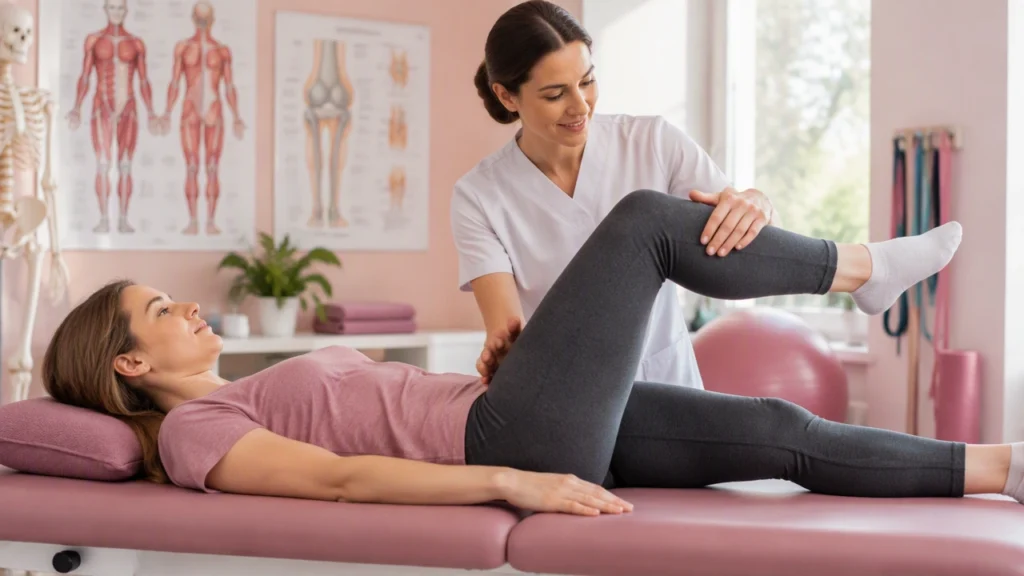
Physical testing follows a logical order. A practitioner may check range of motion first, then strength, then control during simple tasks. They may use provocation tests to understand sensitivity, and functional tests to see how the body organizes movement under real-world demands. The aim is to build a clear picture: what is limited, what is safe to challenge, and what the person is ready to learn next.
Key elements of a thorough movement assessment
- Range of motion: how much movement is available and whether it is limited by tissue, pain, or control.
- Strength and endurance: whether muscles can produce and sustain the forces needed for tasks.
- Motor control: how well the nervous system plans and coordinates movement.
- Balance and stability: the ability to maintain posture during standing, reaching, or turning.
- Task analysis: breaking a complex action into parts to find where control breaks down.
Planning: building a safe, progressive path
Once the assessment is complete, the practitioner creates a plan. Education teaches them to set clear goals with the person, choose exercises that match the stage of healing, and pace progress so tissues adapt without being overloaded. Plans often start with gentle, low-risk activities to restore confidence and control, then move toward strength, endurance, and skill.
Students learn to dose activity carefully. They consider repetitions, sets, intensity, and rest, and they adjust these variables as symptoms and function change. They also plan around life: work hours, childcare, travel, and sport schedules all influence what a person can practice and when. A good plan fits the person, not just the diagnosis.
Building blocks of a movement recovery plan
- Pain modulation: techniques to reduce sensitivity and make movement more comfortable.
- Range restoration: gentle mobility work to improve how joints and soft tissues move.
- Motor control training: drills that teach the body to stabilize and coordinate before adding load.
- Strength and power: progressive resistance to build capacity for daily tasks and sport.
- Endurance and pacing: gradual increases in activity tolerance to support longer or more demanding tasks.
- Skill practice: repetition of real-life movements to make them smooth, confident, and automatic.
Guiding movement recovery: coaching, feedback, and progression
Physiotherapy education emphasizes coaching. A practitioner learns to give clear instructions, use simple cues, and provide feedback that helps the person feel what to change. For example, a cue like “keep your ribs soft as you lift” may improve shoulder control, while “shift your weight over the front foot” may make a step safer and more efficient.
Feedback evolves over time. Early on, external cues and hands-on guidance can help someone find the right pattern. As control improves, the practitioner reduces cues and encourages self-checks. This gradual shift builds independence and confidence, which are key for long-term success.
Progression is based on evidence from each session. If movement is smooth, symptoms remain calm, and function improves, the plan advances. If pain flares or control drops, the practitioner adjusts load, simplifies the task, or adds rest. This responsive approach keeps recovery on track and respects the natural variability of healing.
Clinical reasoning: making decisions that fit the situation
Advanced clinical reasoning is where education deepens. Students learn to weigh multiple factors at once: tissue irritability, nervous system sensitivity, confidence, task demands, and environmental constraints. They use hypothesis-driven thinking, forming and testing explanations as they move through assessment and treatment.
They also learn to recognize red flags that require medical referral, and to distinguish between expected soreness and signs of overload. This judgment is built through supervised practice, reflection, and feedback. Over time, clinicians develop a flexible mindset: they can change course quickly when the situation calls for it, and they can explain their reasoning so the person understands the plan.
Putting it together: from first steps to confident movement
Rebuilding movement is rarely a straight line. Physiotherapy education prepares practitioners to guide people through plateaus, flares, and milestones. It teaches them to celebrate small wins, like a smoother sit-to-stand or a pain-free reach, while keeping the larger goals in view.
Practical learning also covers communication and teamwork. Students practice explaining complex ideas in plain language, setting realistic expectations, and collaborating with other health professionals when needed. They learn to document clearly and to track outcomes so progress is visible and measurable.
By the time a graduate is working independently, they have a repeatable approach: assess with care, plan with purpose, coach with clarity, and progress with patience. This approach is adaptable across conditions and settings, from sports fields to hospitals to home visits.
Why this education matters for long-term recovery
The value of this training is not only in the exercises chosen, but in the reasoning behind them. When practitioners understand the why, they can tailor care to each person and adjust when things change. When people understand the plan, they are more likely to practice consistently and recognize what normal recovery feels like.
In short, physiotherapy education explains how movement is rebuilt after injury by teaching clinicians to observe carefully, think clearly, and act progressively. It turns complex science into practical steps, and it helps people regain control, confidence, and function in a way that lasts.